Choosing Solar Panels in Wicklow, Ireland: From Research to Installation
As part of moving towards sustainable living in Ireland and am happy to report that we got solar panels installed in our new home shortly after we moved in. In 2023, energy prices were soaring, winter temperatures were dropping due to climate change, generous SEAI grants were on offer and 0% VAT on solar panels had just been introduced. There were plenty of reasons to consider solar panels.
I had one prolem though. I found researching solar panels in Ireland daunting because of the amount of suppliers, various panel models and setups and also the difference in prices, services and other options. We even went to the Ideal Home Show in the RDS because we knew there were a large amount of stalls dedicated to solar. I was so overwhelmed by it all that I did what I considered to be the smartest option – I left it all up to the other half to decide. He’s a research scientist after all, so best to leave the research to him.
A Summary of our Experience Getting Solar Panels in Ireland
- After initial enquiries and a bit of customer review trawling, he narrowed it down to two suppliers he deemed professional and responsive.
- Both suppliers answered lots of initial technical questions about the model of panels, output, etc. by email. My boyfriend researched panel models used by both suppliers and compared reviews of their performance.
- Both suppliers sent a sales representative out to do a survey and talk us through the recommended setup for our house.
- Neither supplier recommended a battery or an Eddi (details why below).
- One supplier outright told us that they would be more expensive than the other and they were.
- Both suppliers offered to help with processing our SEA grant of €2,400.
- We flipped between them but eventually went with the slightly cheaper supplier (Reasons why below).
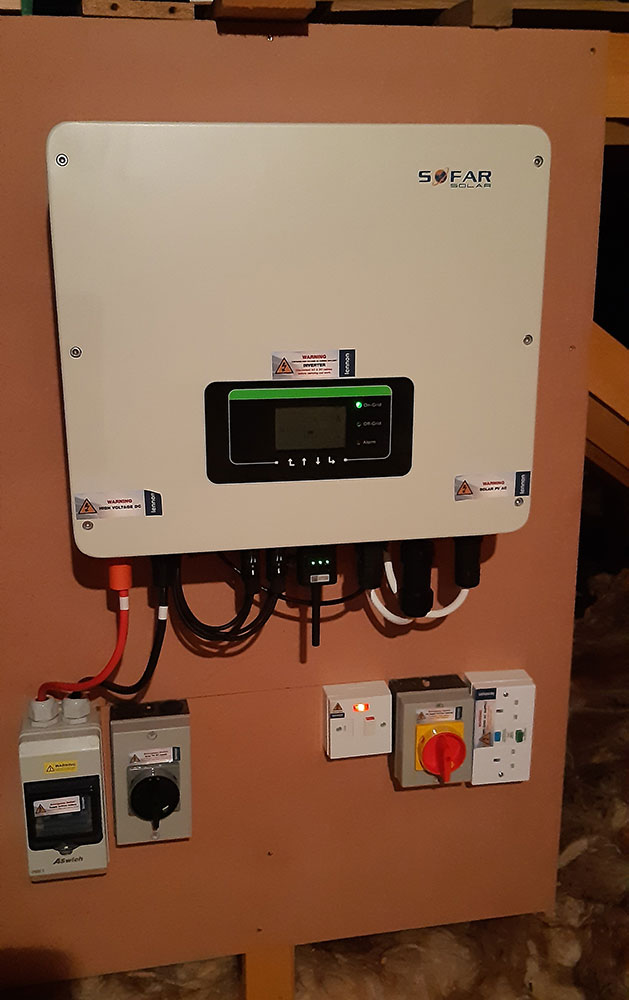
- Another survey happened by a solar technician and the panels were installed shortly after with a 5kw inverter and a “battery ready” system.
- We paid half upfront and half on completion.
- We registered as a micro generator with our electrical supplier and downloaded the app for monitoring our solar system to our phones.
- All of our electric usage habits drastically changed after we installed the app and became acutely aware of our generation and usage amounts and times.
- An updated BER assessment was made (that we were not happy with) and our BER rating went up a notch.
- The grant money was processed and we received €2,400 cash back into our bank account.
- We got our first micro-generator payment from Airtricity added as a credit of approx €120 off our bill.
I will expand on some of these points below as some are worth going into more detail.
Our Reasons for Not Installing an EDDI or Battery System.
An EDDI is a device that diverts electricity generated from the solar panels to heating the water until it reaches a certain temperature and then it switches it over to general electrical supply.
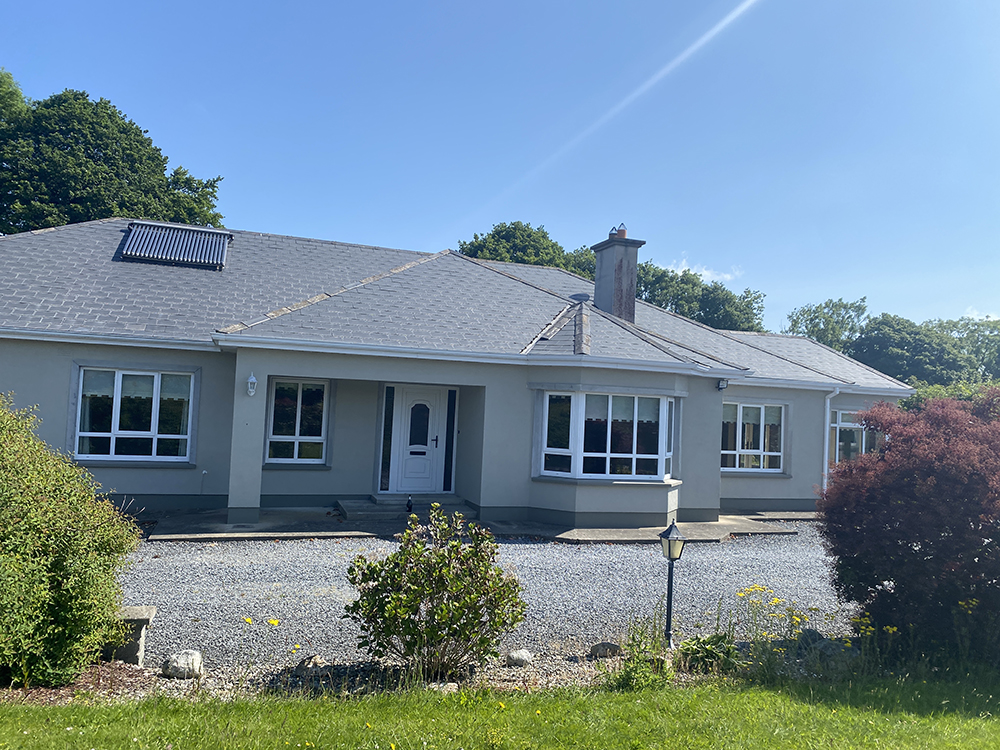
The reason we didn’t go for the EDDI was that the house we bought already came with a solar-thermal panel and a wood burning stove with a back boiler that heats rads and hot water cylinder. We felt that this was enough. During the summer months the solar-thermal does a great job providing hot water and during the winter months, the fire is going and we have a good supply of hot water from that.
The battery is self-explanatory, a device to store electricity generated by the solar panels for later use. Neither representative recommended getting a battery, both said it generally wasn’t worth the extra cost and if we were considering an electric car in the future, that would essentially be the battery with all surplus offsetting the cost of motoring. We did opt for a “battery ready” system though so they added the components that would allow us to install a battery at some stage in the future if we wanted to.
A podcast published by Michael of the Irish Fire Podcast (link here) was a really timely reassurance that we made the right choice about the EDDI and battery for the system. He published that just as we were weighing up the options
Selecting Reliable Solar Panel Suppliers in Ireland: Who we went with and why.
We went along to the Ideal Homeshow in the RDS. We thought it would be a good place to chat to reputable solar companies operating in Wicklow. We also wanted to look at other house stuff. We were able to gather some information and names of companies to start looking at.
My boyfriend took a look at several companies and narrowed his focus down based on how well established the company was, what their reviews were like, if they specialised in just solar/renewables and how responsive they were to his initial emails.
In the end, we met with two representatives, one from Activ8 and the other form Lennon Solar. Both agents were very detailed and knowledgeable and gave a broad overview of the process of installing solar panels along with key details of how their staff are trained, if they are just contractors or direct employees, insurance, warranties and general advice for setup.
There was not much difference in terms of setup, technology, warranties etc. The main difference between the two companies was price and lead time on installation.
Activate we more expensive than Lennon by over €1,000 and had a much longer lead time of 8-12 weeks for the earliest installation. My boyfriend felt that the solar panel model used by Lennon was slightly more advanced. The point on which Activ8 stood out was that it was a very well established company with a very good reputation and they also had a special agreement in place with Airtricity to get a much higher unit rate on surplus energy sold back to the grid.
The representative from Lennon was working as a sales contractor for the company but was evidently completely obsessed with solar. He ended up working for them after researching his own house where he had 16 panels installed. He had a folder filled with graphs on his own house’s production and copies of all his utility bills showing negative bills for the summer months.
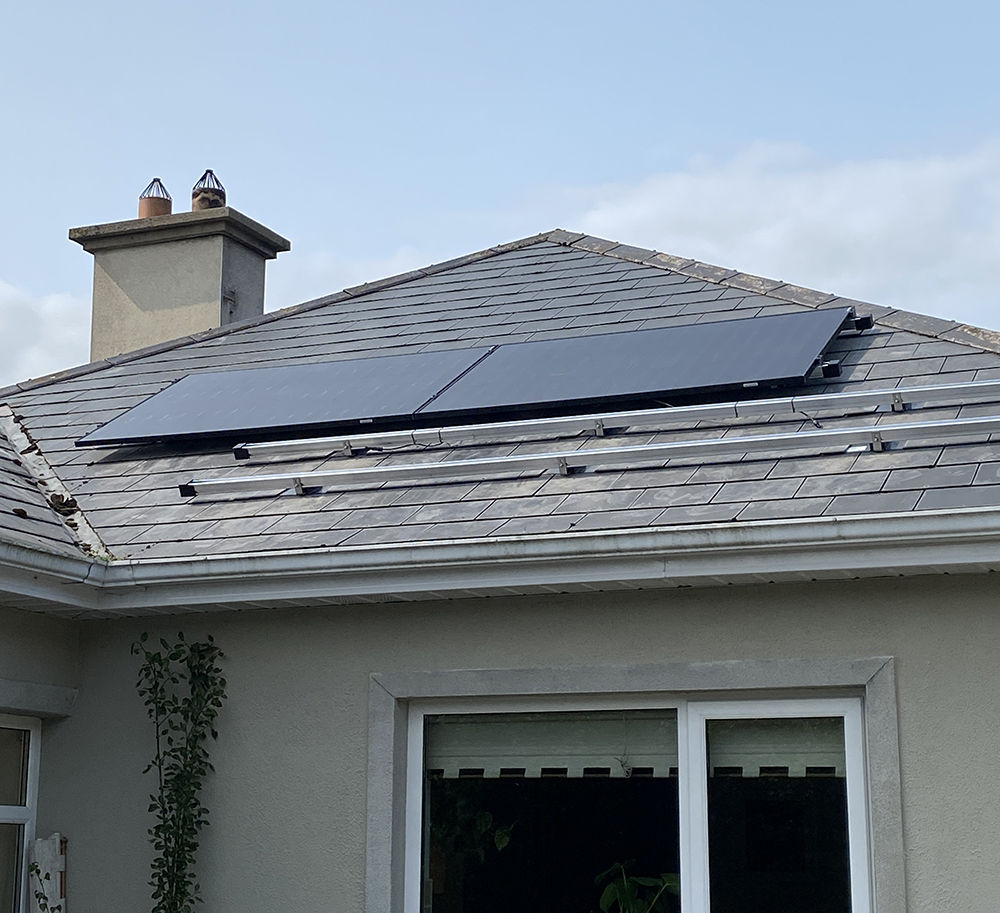
The total costs from Lennon for a 12-panel, battery ready system with 5kw inverter was €10,040.00 (excluding the grant). The panels were split over two locations on our roof with eight installed beside the solar thermal panel and 4 on the other side of the house.

Government Grants from and a New BER Certificate
We benefited from the 0% VAT rate that was introduced by the government and we got an SEAI grant of €2,400 once our BER cert was updated. We notched our BER up a point but the contractor doing the updated survey was awful. He didn’t even look in the attic and when his report came through he said our windows were currently “fair” but could be upgraded to a “poor” rating. We raised this with the company but the BER survey is separate to them and is just a requirement for the grant, which we got anyway.
How Getting Solar Panels has Changed Our Energy Usage Habits - The Solarman Smart App
The day after installation my boyfriend was effectively able to determine what I was doing at home from his workplace. He texted me asking “what did you just turn on” when he logged into the Solarman Smart App and saw a spike in the usage. I had turned the kettle on to make myself a cup of coffee.
For the next few weeks, we both obsessively logged into the app; curious to compare current production vs current consumption. We actually started to become more strategic with the use of energy intensive appliances like the dishwasher and washing machine.
The three biggest energy guzzlers are the kettle, the electric shower and the electric oven. Basically anything that turns electricity into heat generally has a higher Kw consumption. So now we make more use of our standard showers feeding from the thermal solar, we fill the kettle to exactly what we need and we use our air fryer more. We also are more aware of using stuff between 5 – 7pm as this is peak prices, so we generally time the dog walk for then.
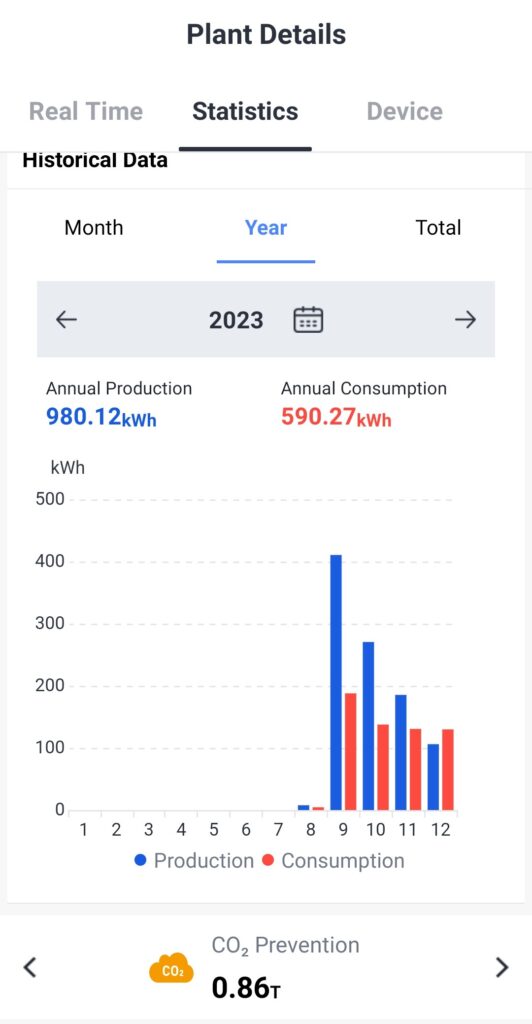
Below is a screenshot of the production for 2023. The solar panels were up and running in the last week of August 2023 and only in December did our general consumption outsrip production. A bit of context though, just because the production is greater than the consumption it doesnt mean free electricity for those months. It’s a general overview but how much you are saving really depends on WHEN you use the electricity.
Registering as a Micro Generator and Our First Micro-Generator Payment
The system was up and running by the last week in August, just at the tail end of summer and heading into shorter days. Registering as a micro generator was initially handled by Lennon Solar and it took us one phone call to Airtricity to complete and verify the process.
Airtricity makes two payments per year, one in May and the other in November. This payment for surplus electricity exported back to the grid is added a credit to the following period’s bill. So we saw the credit come in for January 2024 and it was €124.83.
Overall we have seen about a 50% reduction in how much electricity we are using in our bills. This is a result of our more energy-conscious use of electricity and the fact that we only start paying for electricity when our consumption goes higher than our generation during the daytime.
Would we Recommend Installing Solar Panels in Ireland?
Yes, without a doubt. Max out the amount of panels and skip the EDDI and battery for now but consider getting a battery ready system. Also pair this up with looking at your current electricity plan and your lifestyle to see how you can become more sustainable, environmentally friendly and pay less for energy.
You will get one email a month with a summary of posts from that month so you can keep up-to-date with my progress and failures. Grand job!